- Dining rewards only pay off if your actual restaurant and delivery habits clear the card's annual fee and any credit-usage requirement.
- Merchant-coding quirks routinely knock hotel restaurants, grocery cafes, and stadium concessions out of the dining category entirely.
- A card's foreign transaction fee can erase most of the reward on dining spend abroad, even at a high multiplier.
Quick answer
Pick a dining card by matching its multiplier and merchant-coding behavior to where you actually eat, not the headline reward rate. A 3% or 4% dining card easily beats a 1% flat-rate card on paper, roughly $180 a year on $9,000 of restaurant spend, but that gap only shows up if your purchases are coded as dining in the first place. Hotel restaurants, grocery-store cafes, and delivery orders sometimes post under a different merchant category and miss the bonus entirely. If the card also carries an annual fee, only count the portion of any monthly dining credit you'll realistically use, since unused credits usually expire each cycle. Someone who eats out a few times a month is often better served by a simple flat-rate card than by chasing a dining multiplier with conditions attached. This realistic approach to evaluating best dining credit cards 2026 ensures you maximize rewards based on your actual spending patterns.
Decision table
- Best next move
- A premium dining card with a monthly credit likely pays for itself
- Why
- The rate gap over flat-rate cards compounds fast at that volume
- Best next move
- A no-fee dining card or flat-rate card is simpler and often comparable
- Why
- The annual fee on a premium card can exceed what a modest dining habit earns back
- Best next move
- Confirm current delivery-app eligibility before assuming full credit
- Why
- Some issuers cap or exclude delivery platforms from the standard dining multiplier
- Best next move
- Keep a flat-rate backup card in your wallet
- Why
- These merchants commonly code outside the dining category and miss the bonus
- Best next move
- Check the foreign transaction fee before relying on the dining card abroad
- Why
- A 2.7% fee can cancel out most of a 3-4% dining reward
- Best next move
- Don't count that credit toward the card's value
- Why
- Unused monthly credits typically do not roll over and inflate the card's apparent worth
Merchant-coding traps that quietly cost you the bonus
Card networks assign every merchant a category code, and that code, not the store's appearance, decides whether a purchase earns the dining rate. A hotel's in-house restaurant is frequently coded under lodging rather than dining. A grocery store's attached café or bakery counter can post as a grocery purchase. Stadium and arena concessions often fall under recreation or entertainment codes. None of this is visible at checkout, so the only reliable way to know is to check your statement after a purchase at an unusual venue, or keep a flat-rate backup card for anywhere the coding is uncertain.
Worked example: the dining-rate gap in dollars
$9,000 a year in restaurant and delivery spending earns $270 at a 3% dining rate versus $90 at a flat 1% rate, a $180 annual gap. If the dining card carries a $95 annual fee, the net advantage shrinks to $85, and that's before accounting for any purchases that miss the dining code entirely. A monthly dining credit can close that gap further, but only for the months you remember to use it.
Run your own numbers through the Rewards Gap tool to see how much a mismatch between your card's category and your real spending pattern is actually costing you.
Choose this if, skip it if
Choose a premium dining card with a credit if:
- Your restaurant and delivery spending clears $400-500 a month.
- You can reliably remember to use a recurring monthly credit.
- Most of your dining spend happens at standard restaurants, not hotels, grocery cafes, or stadium venues.
Choose a no-fee dining card if:
- You eat out regularly but not enough to justify an annual fee.
- You want the dining multiplier without a credit to track.
Skip a dedicated dining card and use a flat-rate card if:
- Your dining spend is occasional or unpredictable.
- A meaningful share of your "dining" happens at venues that tend to miscode.
- You travel internationally often and want to avoid foreign transaction fee exposure.
Fees, credits, and approval context
Beyond merchant coding, confirm the card's annual fee, whether the dining multiplier has a spending cap, how the monthly or quarterly credit resets, and the foreign transaction fee if you dine abroad. Strong dining cards with 3-4% multipliers and monthly credits generally target good to excellent credit applicants; no-fee dining cards are often more widely accessible. None of these terms should be assumed from the advertised headline rate alone, so check the issuer's current terms before applying.
Pay-in-full versus revolver verdict
Everything above assumes you pay your statement in full. If you carry a balance, dining rewards stop being the priority: the 24.00% average ongoing APR on a revolved balance will cost more per month than a dining multiplier earns back on realistic restaurant spending. In that case, start with our best low-interest credit cards guide or run the numbers through the credit card interest calculator before optimizing for dining rewards at all.
How we ranked
We ranked these options by realistic dining and delivery reward value net of annual fees, how reliably common dining-adjacent merchants (hotels, grocery cafes, delivery apps) actually earn the bonus, foreign transaction fee exposure, and whether a monthly credit's advertised value matches typical usage patterns. We did not rank by the highest advertised multiplier alone.
Compensation disclosure: SwitchWize may earn a referral fee if you apply through a partner link on this page. That relationship does not change the ranking above.
Sources
- CFPB credit card rewards and cost guidance explains how annual fees, credits, and reward rates combine to determine real card value.
- Visa merchant category code rules cover how merchants are classified, which affects whether a purchase qualifies for a dining bonus.
- Mastercard merchant category resources provide the equivalent classification reference for Mastercard-network purchases.
Terms referenced on this page were verified on July 10, 2026. Offers, fees, APRs, rewards, eligibility, and program rules can change. This article is educational information, not individualized financial advice.
What to Do Now
Frequently Asked Questions
Why did my restaurant purchase not earn the dining bonus?
Do delivery apps count as dining?
Is a monthly dining credit actually worth the annual fee?
Should I get a separate card just for dining?
What happens to dining rewards if I eat out abroad?
The 5-minute money briefing
One email per week. New rates, fed moves, and what to actually do about them.
No spam. Unsubscribe anytime.
Act on this: today's top cards


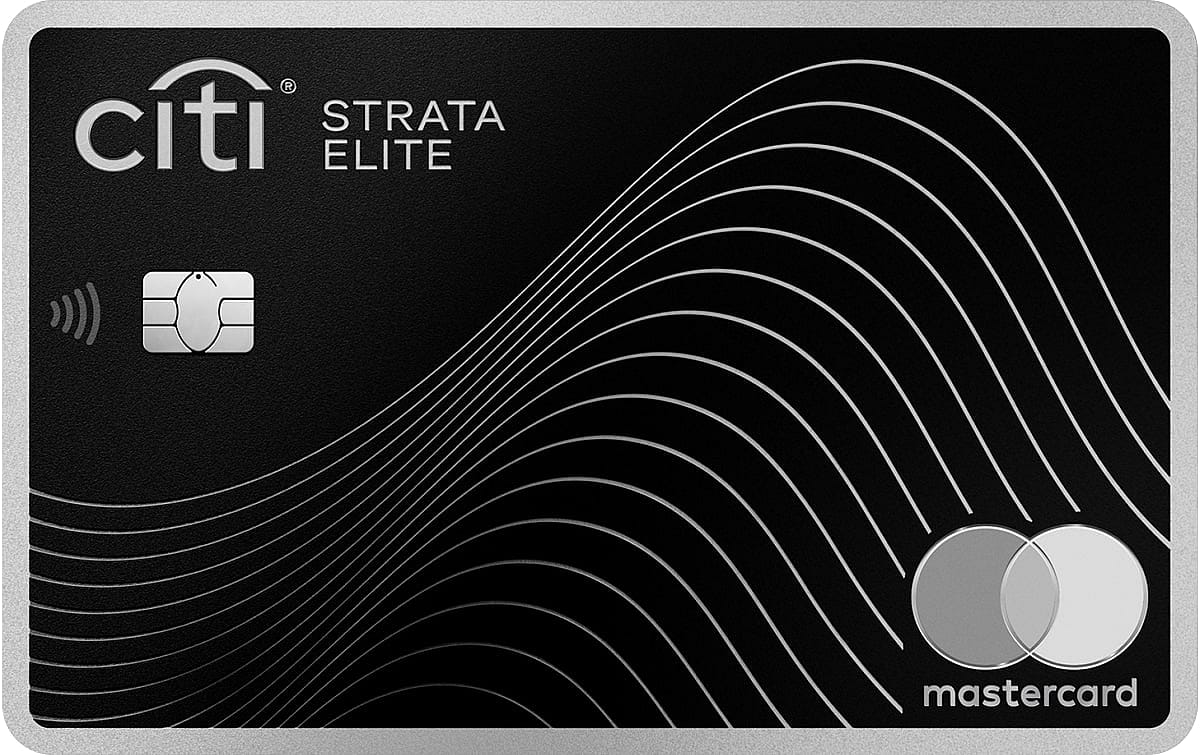
Ranked by SwitchWize's composite score. SwitchWize currently has no compensated product links.
Editorial review
What changed since the last update
Was this guide helpful?
Found an inaccurate, outdated, or missing claim? Report a correction. We verify reports against the relevant source before changing a guide or ranking.
