- You pay the annual fee in real money, so don't count a 'credit' as real money if you only get it by spending more than you normally would.
- You have more than two choices at renewal: keeping the card, switching to a different version of it (a 'product change'), downgrading to a cheaper version, or closing it, and each one can affect your rewards points and account differently.
- Do this review before the fee actually charges (or before any refund window closes), and check the card issuer's current terms directly, not an old blog post describing what the card used to offer.
Decision frame
If you had to pay this year's annual fee in cash today, would you still choose this card's perks and the spending habits that come with it?
Compare
A cautious estimate of what the perks are really worth to you, the rewards you've earned, the fee itself, any cards you already have that could do the same job, what happens to your points, and the hassle of switching cards.
Verify first
When the fee actually charges, the card's current agreement and benefits guide, the rules for your rewards, whether you can switch to a different version of the card, any recurring charges tied to this card, and any offer the issuer gives you to stay, in writing.
Do not assume
Don't count a credit at its full dollar value if you wouldn't normally use it, don't spend extra just to 'earn' a perk, and don't close the card before checking what happens to your points and any automatic payments on it.
Price only the value that changes your decision
The math itself is simple: add up the perks and rewards you actually use, then subtract the fee and any extra costs. The hard part is being honest about what a perk is really worth. If a $100 credit only counts because it pushed you to buy something you wouldn't normally buy, it isn't really worth $100 to you.
Compare an annual fee with the conservative value of benefits you expect to use.
Airline, hotel, dining credits you realistically use
Visits per year × $30-50 per visit
Total Perks You Use
$500
Use this result as one input in your broader Money Map, not as a one-off number.
What to do
Compare travel cards
Pre-tax estimates. For illustration only — not financial advice.
Only enter cautious, honest numbers: the part of a credit you would have spent anyway, the rewards you can realistically cash in, and any bill you'd avoid because of the card. If you're not sure, use a low-to-high range. The result is meant to help you think it through, not to tell you exactly what your points are worth or promise you'll get the same perks next year.
Run four paths, not two
- When it can fit
- The perks you'd use anyway are worth more than the fee
- What to verify first
- What perks you get right now, when the fee hits, and how to actually redeem rewards.
- When it can fit
- A different card from the same issuer would suit you better
- What to verify first
- Whether you qualify, whether your card number changes, what happens to your points, and how it affects your account history.
- When it can fit
- You want a cheaper version of the card
- What to verify first
- How rewards earning changes, which perks you'd lose, and whether a no-fee version exists.
- When it can fit
- The card isn't useful to you anymore
- What to verify first
- What happens to your points, your credit utilization (the share of your credit limit you're using), any automatic payments on the card, and your final bill.
The Consumer Financial Protection Bureau (CFPB) keeps a database of card agreements that issuers file with them, which is a good starting point. But it won't replace the card's actual, current benefits guide, or a direct call to the issuer asking exactly what your options are.
Make the switch safely
Before you change anything, make a list: any bills that charge this card automatically, the card saved in your phone's digital wallet (Apple Pay, Google Pay, and so on), anyone else authorized to use the card, any travel protections tied to it, and your current points balance. Then ask the issuer directly: will my card number stay the same if I switch to a different version? What happens to my points? When does the new fee or the new perks start? Write down what they tell you, and only update your automatic payments after the issuer confirms the switch is done.
If the issuer offers you something to stay (sometimes called a retention offer, such as extra points, a statement credit, or a waived fee), only count it if they put it in writing, you can get it without spending more than usual, and it isn't just putting off the same decision until next year.
This guide is educational information, not individualized financial, tax, or legal advice. Card perks, fees, rewards, and how switching affects your credit differ by issuer and by account. Check the current terms with your issuer before you make any change.
Sources
Frequently Asked Questions
Should I keep a card just because I used its credits last year?
Does closing a credit card hurt credit?
Will I lose points if I close a card?
What should I do after reading Annual-Fee Card Renewal: Keep, Product Change, Downgrade, or Close??
The 5-minute money briefing
One email per week. New rates, fed moves, and what to actually do about them.
No spam. Unsubscribe anytime.
Act on this: today's top cards

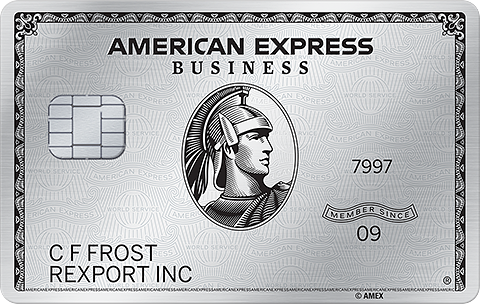

Ranked by SwitchWize's composite score. We may earn a referral fee, and it never changes the ranking order.
Editorial review
What changed since the last update
Was this guide helpful?
Found an inaccurate, outdated, or missing claim? Report a correction. We verify reports against the relevant source before changing a guide or ranking.

Jay Rege is Head of Research at SwitchWize, with more than 20 years of experience in retail banking, including roles at SunTrust Bank and First Republic Bank. He writes on deposit accounts, retail banking products, and what they mean for everyday savers.
Available for on-record interviews, background briefings, and custom data cuts.
research@switchwize.com