- A direct, trustee-to-trustee rollover moves the money plan-to-plan and is tax-free; this is the method to use.
- An indirect rollover pays you first, withholds 20%, and starts a 60-day clock to redeposit the full amount or owe tax and possibly a 10% penalty.
- Rolling pre-tax 401(k) money into a Roth is a taxable conversion; match pre-tax to Traditional and Roth to Roth, then reinvest the cash when it lands.
An old 401(k) sitting at a former employer is one of the most common loose ends in personal finance, and the moment people finally deal with it is exactly where an accidental tax bill gets created. The rollover itself is easy. It is the wrong kind of rollover that costs money. Rates on this page were last verified recently. Understanding how to roll over a 401k 2026 can help you avoid these costly mistakes and keep your retirement savings intact.
Get one decision right, direct instead of indirect, and the whole thing is tax-free. Here is the map.
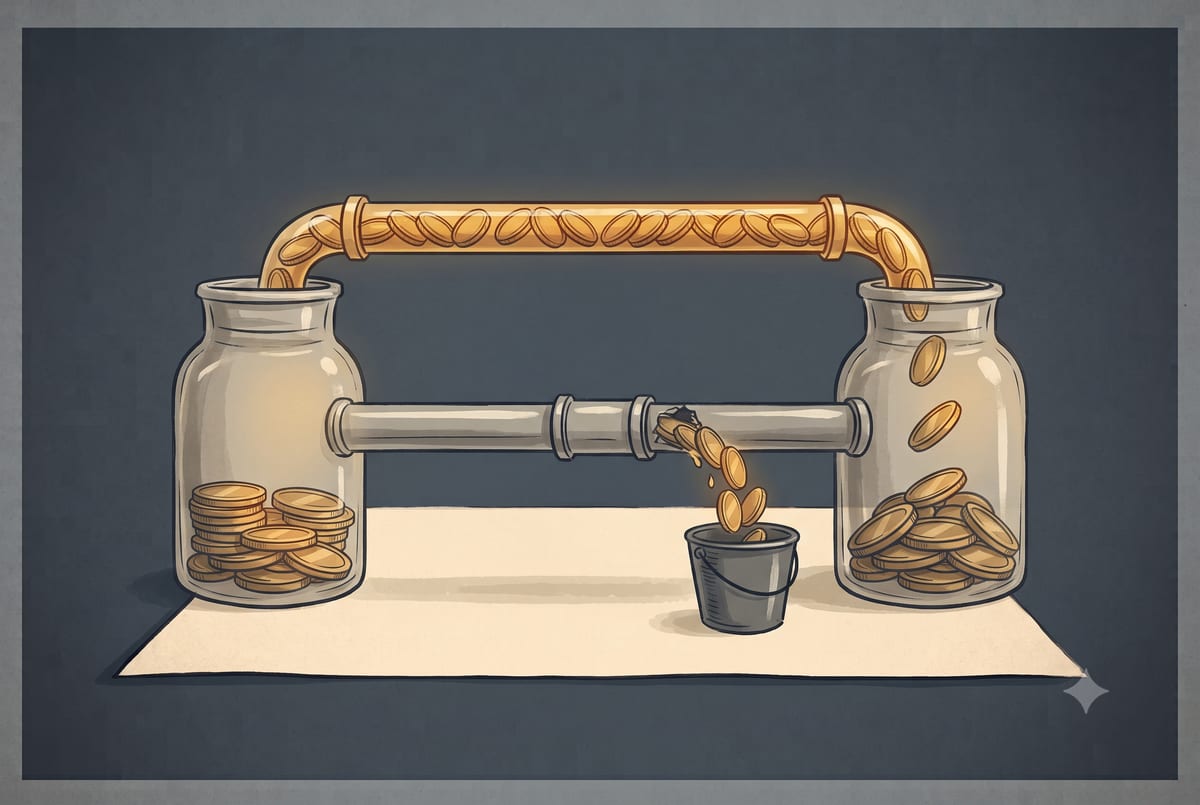
The one decision that matters: direct vs indirect
There are two ways money leaves an old 401(k), and they are taxed completely differently:
- Direct rollover (trustee-to-trustee). The funds move straight from the old plan to the new account, never touching your bank account. No withholding, no tax. This is the one to use.
- Indirect rollover. The plan pays you first, usually by check, and withholds 20% for federal taxes. You then have 60 days to deposit the full original amount (including that withheld 20%, out of your own pocket) into the new account. Miss the deadline or the full amount, and the shortfall is taxed and may face a 10% early-withdrawal penalty if you are under 59 and a half.
The indirect route is a trap dressed up as convenience. Always ask for a direct rollover.
Your four options for an old 401(k)
When you leave a job, the old plan does not have to move immediately. You have four choices:
- What happens
- Stays in the old 401(k)
- Good when
- The plan is cheap with good funds
- What happens
- Consolidate into your current job's plan
- Good when
- You like the new plan and want one account
- What happens
- Move to a rollover IRA
- Good when
- You want the widest investment choice
- What happens
- Take the money
- Good when
- Almost never, it is taxed and often penalized
Cashing out is usually the worst move: the balance is taxed, hit with a 10% penalty under 59 and a half, and you lose decades of tax-advantaged growth.
The Roth trap
Match your account types. Rolling pre-tax 401(k) money into a Roth IRA is a Roth conversion, and the converted amount is taxable income that year. It can be a smart long-term play, but only if you plan for the bill. To avoid tax:
- Pre-tax 401(k) funds go to a Traditional IRA (or another 401(k)).
- Roth 401(k) funds go to a Roth IRA.
Mixing them by accident is how a "simple rollover" turns into a surprise tax event. If a Roth conversion is your actual goal, do it deliberately, not by mismatching accounts.
The step everyone forgets: reinvest
One last thing. When a rollover lands, the money often arrives as uninvested cash, just sitting there. Confirm the full balance arrived, then actually reinvest it according to your plan. Money that rolled over but was never reinvested can sit idle for years.
Quick answers
Tax-free way? A direct, trustee-to-trustee rollover.
Direct vs indirect? Direct never touches you (no tax). Indirect withholds 20% with a 60-day redeposit clock.
Roth conversion? Rolling pre-tax money into a Roth is taxable that year; match account types to avoid it.
Methodology
Rollover mechanics follow IRS rules for direct and indirect rollovers, the mandatory 20% withholding and 60-day rule on indirect rollovers, the taxability of pre-tax-to-Roth conversions, and the 10% early-withdrawal penalty before age 59 and a half (exceptions exist). This is general educational information, not personalized tax or investment advice.
Frequently Asked Questions
How do I roll over a 401(k) without paying taxes?
What is the difference between a direct and indirect rollover?
What are my options for an old 401(k)?
Does rolling a 401(k) into a Roth IRA trigger taxes?
The 5-minute money briefing
One email per week. New rates, fed moves, and what to actually do about them.
No spam. Unsubscribe anytime.
Answer a few questions about your situation and goals. Money Map points you to the highest-value next step across savings, mortgage, cards, and debt.
Editorial review
What changed since the last update
Was this guide helpful?
Found an inaccurate, outdated, or missing claim? Report a correction. We verify reports against the relevant source before changing a guide or ranking.
