- A credit freeze is free at all three bureaus by federal law, and freezing, thawing, and refreezing never cost anything.
- It blocks new lenders from pulling your report, which stops most new-account identity theft, without lowering your score or touching existing accounts.
- Freeze at all three bureaus; thaw the relevant one for a few minutes when you apply for credit. Skip the paid lock upsells.
Of all the identity-protection advice out there, one step does more than the rest combined, and it is free: freezing your credit. A freeze quietly closes the door that identity thieves actually use, opening new accounts in your name, while leaving everything you already have untouched. Rates on this page were last verified recently. This guide explains how to freeze your credit 2026 in straightforward steps at each of the three major bureaus.
Most people never do it because they assume it is complicated, costs money, or hurts their score. None of that is true. Here is exactly how it works and how to set it up.
What a freeze actually does
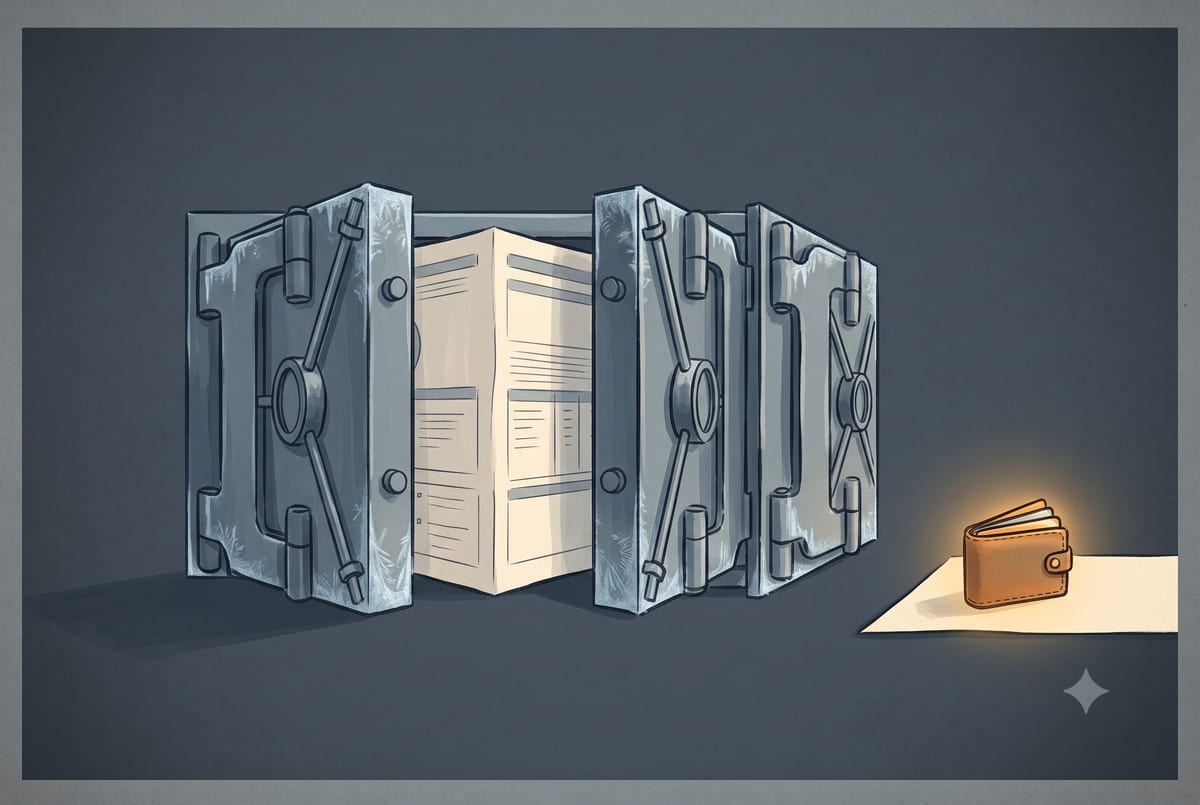
A credit freeze restricts access to your credit report. When a new lender tries to pull it (to approve a new card, loan, or line of credit), they cannot, so the application stalls. Since identity thieves rely on opening new accounts in your name, cutting off that report access stops the fraud before it starts.
Crucially, a freeze does not:
- lower your credit score,
- affect your existing cards, loans, or their reporting, or
- stop you from checking your own credit.
It is a targeted lock on new-account access, nothing more.
How to freeze your credit, step by step
You freeze at each of the three major bureaus separately. All three are free, and each takes a few minutes online.
- Equifax. Create or log into an account and place the freeze, online, by phone, or by mail.
- Experian. Do the same at Experian.
- TransUnion. Finish with TransUnion so all three are covered.
- Save your logins and PINs. Each bureau gives you credentials or a PIN. Store them where you can find them, because you will need them to thaw.
- Thaw when you apply. Before a credit card, loan, mortgage, or apartment application, temporarily lift the freeze at the bureau the lender uses (ask which one), then it refreezes.
That is the whole system. Freeze once, thaw briefly when needed.
Freeze vs lock vs fraud alert
Three tools get confused. Here is the clean version:
- Cost
- Free (federal law)
- What it does
- Blocks new lenders from pulling your report
- Cost
- Often paid
- What it does
- Similar blocking via a bureau's app, private terms
- Cost
- Free
- What it does
- Tells lenders to verify your identity first, does not block
A fraud alert asks lenders to take extra verification steps but does not block access; it is a lighter measure, often used after a known compromise. A lock does roughly what a freeze does but is a private product, sometimes bundled into a paid subscription. For most people, the free freeze is the right default, you are not sacrificing real protection by skipping the paid lock.
When to use it
Freezing makes sense for almost everyone, and especially if you are not planning to open new credit soon, you have been part of a data breach, or you want to protect a child's or elderly relative's credit. Because thawing is free and quick, the only cost is the small step of lifting it when you apply for credit.
Quick answers
Is it free? Yes, at all three bureaus, by federal law, including thawing and refreezing.
Does it hurt my score? No. It does not affect your score or existing accounts.
Freeze or lock? Use the free freeze by default; the paid lock does a similar job with private terms.
Methodology
Credit-freeze rights and the free placing and lifting of freezes follow federal law governing the three nationwide credit bureaus. Lock products and their terms are set by each bureau. Exact steps and which bureau a lender uses can vary. This is general educational information, not personalized security or credit advice.
What to Do Now
Frequently Asked Questions
Is freezing your credit free?
Does a credit freeze hurt your credit score?
What is the difference between a credit freeze and a credit lock?
Do I have to unfreeze my credit to apply for a loan or card?
The 5-minute money briefing
One email per week. New rates, fed moves, and what to actually do about them.
No spam. Unsubscribe anytime.
Answer a few questions about your situation and goals. Money Map points you to the highest-value next step across savings, mortgage, cards, and debt.
Editorial review
What changed since the last update
Was this guide helpful?
Found an inaccurate, outdated, or missing claim? Report a correction. We verify reports against the relevant source before changing a guide or ranking.