- Capital One completed its Discover acquisition on May 18, 2025, and in 2026 Discover card accounts started moving to Capital One's website and app, with rewards and earning rates carried over.
- Discover no longer opens new savings, CD, money market, or checking accounts, and existing Discover savings accounts are converting to Capital One 360 Performance Savings with a new routing number.
- Your card's APR, fee, and rewards still can only change after a written notice. The real to-do is updating direct deposits and checking autopay when your account moves.
When the deal closed in May 2025, the honest answer to "what changes for me" was "almost nothing yet." That is no longer true. In 2026 Capital One started folding Discover in for real: the cards are moving to Capital One's app, the bank accounts are converting, and the payment network is carrying Capital One's own cards. Card details on this page were last verified recently, and the capital one discover merger 2026 timeline below reflects what had happened as of October 1, 2026.
Most of these changes are administrative rather than costly. A few need you to do something, mainly if you have a Discover savings account with a paycheck landing in it.
The deal
On May 18, 2025, Capital One completed its acquisition of Discover, roughly a $35 billion deal approved by the Federal Reserve. The combined firm became the third-largest US credit card issuer and one of the country's largest banks. Capital One also became the owner of the Discover payment network, the system that moves money between stores and banks, which is the main reason it wanted Discover in the first place.
If you have a Discover credit card
Discover card accounts began moving to Capital One on July 27, 2026, in waves that are expected to continue into 2027. If you have more than one Discover card, they may not move at the same time. Once yours moves, you manage it on Capital One's website and app and talk to Capital One customer service.
What has been reported about the move:
- Rewards carry over. Your cash back or miles balance, your earning rates (including 5% on rotating quarterly categories, up to the quarterly cap), and your category activation status move with the account. There is still no annual fee.
- Your credit history stays intact. The account keeps its original open date, and the move does not create a new account on your credit report.
- Most cardholders keep their card. Primary cardholders are not being sent a new card. Authorized users and joint holders have been reported to receive new cards with new numbers.
- Some Capital One perks get added. Discover cardholders have been given access to Capital One Travel and Capital One Entertainment (with 5% cash back on bookings made through them) and to Capital One Offers, a shopping program whose cash back varies by store.
Discover it credit cards are still open to new applicants.
If you have a Discover savings, CD, or checking account
This is the part that needs action. Discover stopped accepting applications for new deposit accounts (savings, CDs, money market, and Cashback Checking) in early 2026. Existing customers are being moved to Capital One, and Capital One has published account-by-account update pages for Discover deposit customers.
For Discover Online Savings, the first conversions to Capital One 360 Performance Savings happened on August 23, 2026, and other accounts are converting later. As described in the notices customers received:
- Same account number, new routing number. Existing direct deposits and transfers set up on the old routing number are supposed to keep working, but anything new needs the new number.
- Same rate at conversion, but still variable. The rate does not drop on conversion day, but it can change afterward like any savings rate. With the best high-yield savings accounts paying around 4.27% today, it is worth checking where yours lands after the move.
- Early Pay ends. Direct deposits will no longer arrive up to two days early.
- No minimums or monthly fees, as before. Cashier's checks cost $10 and are available only at Capital One locations.
If your paycheck lands in Discover savings or checking, the safest move is to update your employer's direct deposit form with the new routing number as soon as you have it, rather than relying on the old one being forwarded indefinitely. For a side-by-side of the two banks' savings products, see Discover vs Capital One.
If you have a Capital One card
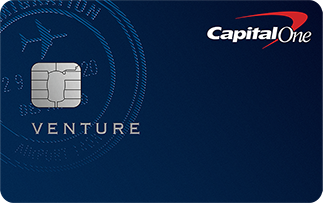
Capital One has been moving its own cards onto the Discover network. CEO Richard Fairbank told investors in July 2026 that the switch of Capital One debit cards to the Discover network was complete. Capital One has also started issuing some new credit cards, including Quicksilver, Savor, and Venture accounts, on the Discover network instead of Mastercard or Visa. Existing credit cards are generally expected to switch only when they are reissued, and some cards, such as Venture X, have been reported to stay on their current network for now.
The one thing to watch: the Discover network is accepted at nearly every US merchant that takes cards, but acceptance abroad has historically been thinner than Visa or Mastercard. If you travel internationally, carry a backup card on another network until you have confirmed your card works where you are going.
What has not changed
- You cannot balance-transfer between Discover and Capital One. They are the same issuer. Transfers with other issuers are unaffected.
- Your terms are protected. By law, an issuer must notify you in advance before raising your rate or changing key terms. Nothing about the merger lets Capital One skip that notice.
One thing that did change, unrelated to the merger: the Fed raised rates in September 2026, and most card APRs are tied to the prime rate, so variable card rates rose across the industry. The average card APR today is about 24.00%. If your Discover or Capital One rate went up recently, that is the likely reason, not the merger.
Timeline at a glance
- What it means for you
- Deal closes. Discover becomes part of Capital One
- What it means for you
- Discover stops opening new deposit accounts
- What it means for you
- Capital One debit cards fully moved to the Discover network
- What it means for you
- Discover card accounts move to Capital One's website and app in waves
- What it means for you
- Discover savings accounts convert to Capital One 360 Performance Savings, with a new routing number
- What it means for you
- Any change to your card's APR, fee, or rewards
How to play it
There is still no reason to close a Discover card because of the merger alone, and no reason to rush out of a Discover savings account on conversion day. The to-do list is short: when your card moves, log in at Capital One and confirm autopay and your rewards balance came across; when your savings account converts, update direct deposits with the new routing number and compare your rate to the market. If you were relying on transferring a balance between these two brands, look at a balance-transfer card from another issuer instead, running the numbers first with our balance transfer savings calculator. And when a change-in-terms notice does arrive, judge the card the way you would any new offer: on its rate, rewards, and fees, not its logo. To see whether a different card now earns more than what you're holding, browse today's top cards:
Quick answers
Did the merger happen? Yes, it closed May 18, 2025. The combined company is the third-largest US card issuer.
What happens to my Discover card? It moves to Capital One's website and app, in waves from July 27, 2026 into 2027. Rewards and earning rates carry over, and your APR can only change after a written notice.
Can I still open a Discover savings account? No. Discover stopped opening new deposit accounts in early 2026, and existing savings accounts are converting to Capital One 360 Performance Savings.
Can I still transfer a balance between them? No, they are one company now. Transfers with other issuers still work.
Sources
The acquisition date and deal size reflect Capital One's public statements and the Federal Reserve approval of the transaction. Deposit account changes reflect Capital One's update pages for Discover customers and customer notices as reported by Doctor of Credit and Frequent Miler (June to July 2026). Credit card migration details reflect cardholder notices as reported by The Points Guy and Doctor of Credit (July 2026). Debit and credit card network details reflect Capital One's second-quarter 2026 earnings call (July 21, 2026) as reported by PYMNTS and other outlets. Change-in-terms protections follow federal credit card rules enforced through the Consumer Financial Protection Bureau's guidance on credit cards. Integration is still in progress, so confirm any account-specific change directly with Capital One.
Methodology
Merger facts reflect Capital One's completed acquisition of Discover (closed May 18, 2025), Capital One's published update pages, and customer notices and earnings-call remarks as reported through October 1, 2026. Details that were available only through news and blog coverage of customer notices are described as reported. Integration continues to evolve, and timing varies by account. This is general educational information, not financial advice.
What to Do Now
Frequently Asked Questions
Did the Capital One and Discover merger go through?
What happens to my Discover credit card now?
Can I still open a Discover savings account or CD?
Can I still transfer a balance between Discover and Capital One?
Will my Discover card rewards or APR change?
The 5-minute money briefing
One email per week. New rates, fed moves, and what to actually do about them.
No spam. Unsubscribe anytime.
Act on this: today's top cards

Ranked by SwitchWize's composite score. SwitchWize currently has no compensated product links.
Editorial review
What changed since the last update
Was this guide helpful?
Found an inaccurate, outdated, or missing claim? Report a correction. We verify reports against the relevant source before changing a guide or ranking.
