- Rank credit-builder cards by bureau reporting, deposit terms, and graduation timeline, not by rewards, because rewards are nearly irrelevant on these products.
- A refundable deposit is not a fee, but a card that skips the deposit and still reports to all three bureaus can be the stronger pick if you qualify.
- The annual fee is the real cost to compare once you control for approval odds; a $0-fee card with full bureau reporting usually beats a $39 card that only reports to two.
Quick answer
Skip the rewards comparison entirely. Credit-builder cards exist to generate a payment history, so the only things worth ranking are whether the card reports to all three bureaus, how much cash a deposit ties up, and how soon you can move to an unsecured card. A secured card, usually a $49 to $200 refundable deposit, has the widest approval range and is the default choice if your score is damaged or nonexistent. A student card skips the deposit if you're enrolled in school. A no-deposit starter card fills the gap for everyone else, at the cost of a lower starting limit. Whichever you pick, pay the statement balance in full, because the live average card APR of 24.00% turns any grace period on a credit-builder card into real debt fast. Our guide to the best credit-builder cards 2026 compares these options to help you pick the right fit.
Decision table
- What to do
- Start with a student card if enrolled in school, otherwise a secured card
- Why
- Both are underwritten for thin files, but a student card skips the deposit
- What to do
- Choose a secured card over a no-deposit starter card
- Why
- Secured cards accept a wider range of damaged-credit applicants because the deposit limits the issuer's risk
- What to do
- Look for a no-deposit starter card first
- Why
- The tradeoff is a lower starting limit, not a worse reporting outcome
- What to do
- Skip it regardless of the annual fee
- Why
- A lender who pulls the missing bureau will never see this account
- What to do
- Ask the issuer directly about graduation instead of waiting
- Why
- Some issuers only move accounts when a cardholder requests review
What a year actually costs
A $200 refundable secured-card deposit isn't a cost, it's your own money held as collateral. The real cost is the annual fee: a $39 fee over a 10-month graduation window works out to about $32.50 prorated. Compare that against a $0-fee card that reports to only two bureaus. The missing bureau can be the more expensive gap, since it can silently exclude you from a lender's full view of your payment history.
Test your own graduation timeline with the secured-card graduation calculator or the student-card path calculator, using your actual on-time payment count instead of an issuer's general estimate.
Choose this path if, skip it if
Choose a secured card if:
-
Your score is damaged or you have no file at all, and you can afford to hold a refundable deposit for six months or more.
-
You've confirmed it reports to all three bureaus in writing, not just "major bureaus" in marketing copy.
Choose a student or no-deposit starter card if:
-
You're currently enrolled in school, or you qualify for a no-deposit product without a damaged history.
-
Keeping cash liquid matters more than the wider approval odds a deposit buys you.
Skip a credit-builder card entirely if:
-
You already have an unsecured card in good standing; opening a new thin-limit account mostly adds needless applications.
-
The only options available to you report to fewer than two bureaus.
Fees, deposits, and approval context
Watch for a monthly maintenance charge stacked on top of the annual fee, since some credit-builder cards carry both. Confirm whether the deposit is refunded automatically at graduation or requires a written closure request, and whether the issuer ever raises the deposit-to-limit ratio after approval. None of this is guessable from the advertised rewards rate.
Secured and student cards are built for no-credit, thin-file, and rebuilding-credit applicants, but issuers still review income and existing debt. Approval is not guaranteed at any score, so use a soft-pull prequalification tool where the issuer offers one before applying outright.
If you already carry a balance
If you're revolving debt on any card, including a secured card, credit-builder rewards are irrelevant until the balance is gone. Use the credit card interest calculator to see what carrying a balance actually costs at today's rates, and treat paying it down as the higher-priority move over choosing between these products. A Money Map scan can also show whether debt payoff or savings has a bigger dollar impact right now than any card decision.
For the wider decision framework behind this ranking, read the Real Annual Value guide and how to choose a credit card. If you're specifically rebuilding after a low score, best credit cards for fair credit narrows the unsecured options once you graduate.
How we ranked
We ranked these paths by bureau reporting completeness, deposit refundability, annual fee cost over a typical graduation window, and how clearly each issuer states its upgrade process. We did not rank by advertised rewards, since rewards rarely matter on a starter product.
Compensation disclosure: SwitchWize may earn a referral fee if you apply through a partner link on this page. That relationship does not change which card ranks higher here.
Sources
- CFPB: what is a secured credit card explains how deposits, credit limits, and graduation typically work.
- Experian: how secured credit cards affect your score covers bureau reporting and score-tier context.
- Federal Reserve consumer credit resources explain card agreements, fees, and payment obligations generally.
Terms referenced on this page were verified on July 10, 2026. Deposits, fees, graduation timelines, and bureau reporting can change by issuer. This article is educational information, not individualized financial advice.
Frequently Asked Questions
Is a secured card or a credit-builder loan better for building credit?
Do all credit-builder cards report to all three bureaus?
Does the security deposit on a secured card earn interest?
How soon can I graduate from a secured card to an unsecured one?
What credit tier actually qualifies for these cards?
The 5-minute money briefing
One email per week. New rates, fed moves, and what to actually do about them.
No spam. Unsubscribe anytime.
Act on this: today's top cards


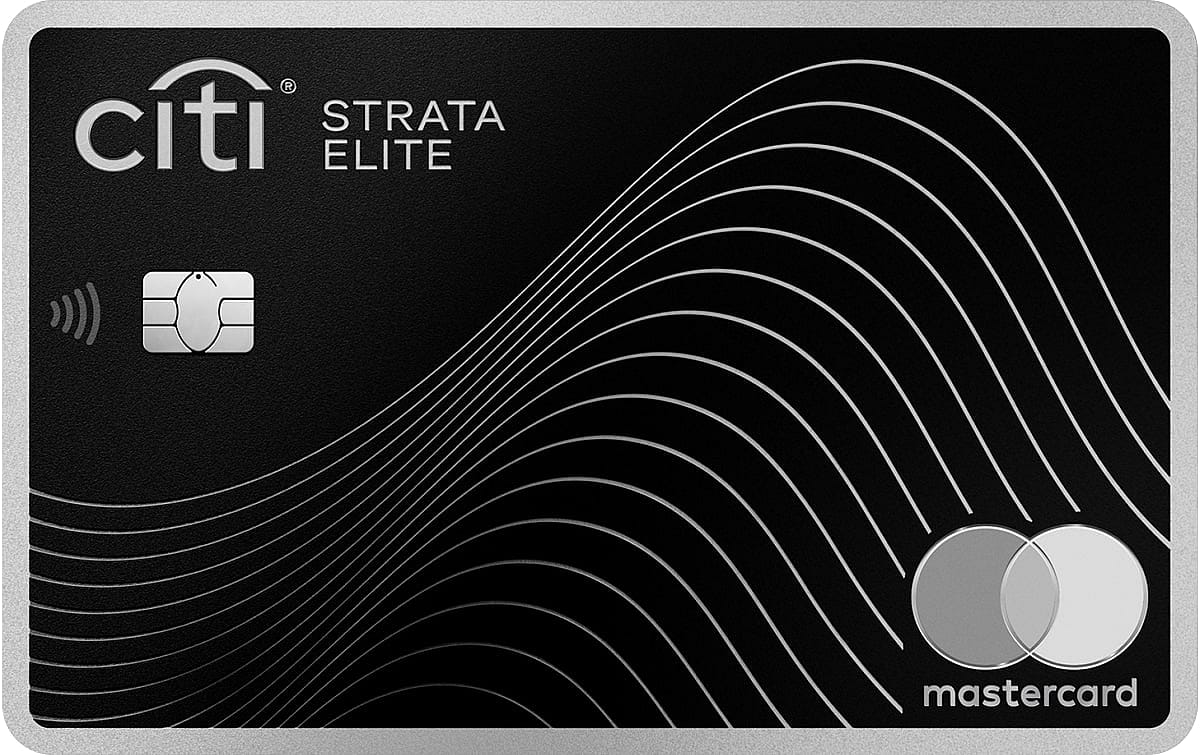
Ranked by SwitchWize's composite score. SwitchWize currently has no compensated product links.
Editorial review
What changed since the last update
Was this guide helpful?
Found an inaccurate, outdated, or missing claim? Report a correction. We verify reports against the relevant source before changing a guide or ranking.
