How to choose
What to weigh before you pick
It usually comes down to 3 things. Compare your options on each before deciding.
Account fees and fund expense ratios that compound over time.
Account types, available investments, and tools.
App quality, research, and human support when needed.
- Roth and traditional 401(k)s are identical except for timing: traditional is taxed in retirement, Roth is taxed now and withdrawn tax-free. Both share the 2026 limit of $24,500.
- The decision comes down to one question: will your income tax rate be higher now or in retirement? Higher later favors Roth; higher now favors traditional.
- If you cannot predict your future rate, split contributions between the two to hedge, and note that high earners must now make catch-up contributions as Roth.
People treat this choice as complicated. It is not. A Roth 401(k) and a traditional 401(k) are the same account, holding the same investments, with the same employer match and the same 2026 limit of $24,500. The one and only difference is which decade the IRS collects its tax. Savings rates on this page were last verified recently. When deciding between a roth 401k vs traditional 401k 2026, the choice comes down to predicting your tax bracket now versus in retirement.
Once you see that, the decision collapses into a single question, and most people can answer it in about a minute.
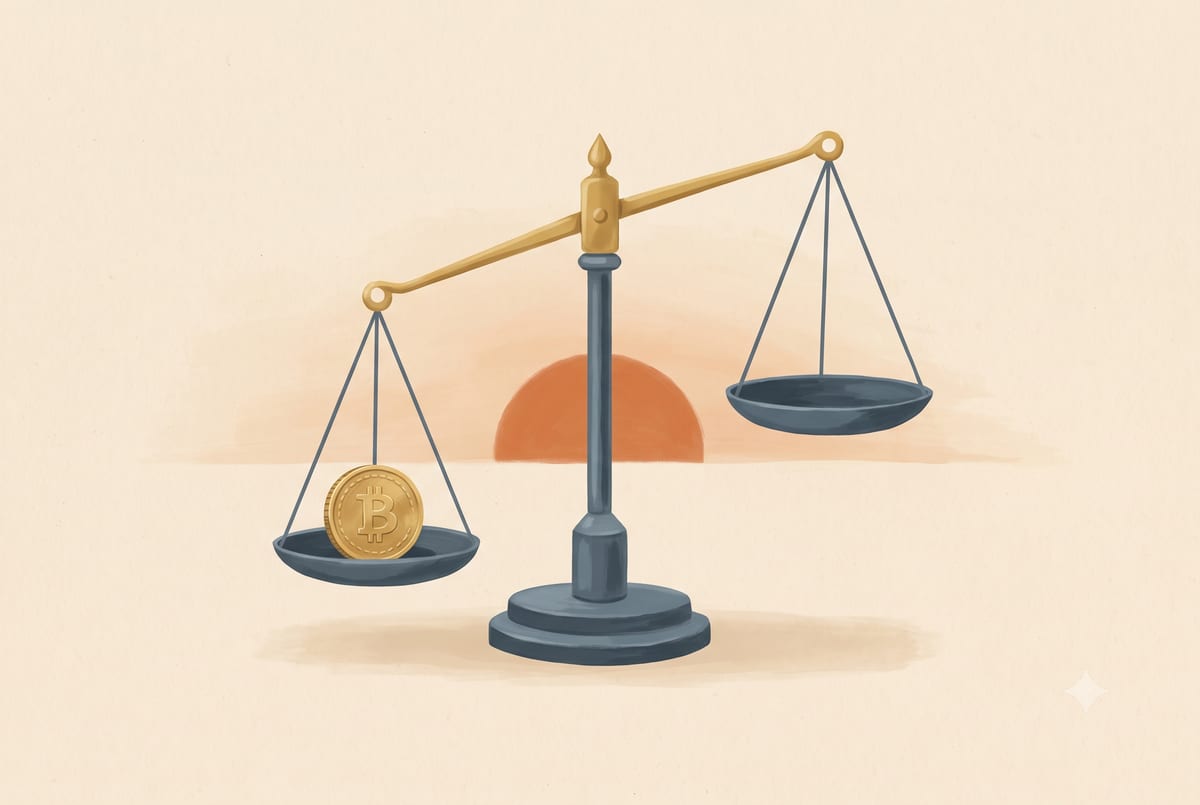
The only real difference: when you pay tax
Both accounts get money into the market tax-deferred. They split on timing:
- Traditional 401(k): contributions are pre-tax. They lower your taxable income this year, and you pay ordinary income tax on every dollar you withdraw in retirement.
- Roth 401(k): contributions are after-tax. No break today, but qualified withdrawals in retirement, including all the growth, come out completely tax-free.
The limit is the same either way. For 2026 you can put in $24,500 as an employee, plus an $8,000 catch-up at age 50 and up. Your employer's match is on top of that. The investments and fees are identical. Nothing here helps you decide, which is exactly the point: the accounts are twins except for the tax clock.
The one question that decides it
Ask yourself: will my income tax rate be higher now, or in retirement?
- If higher in retirement, you want to pay tax now at today's lower rate. Roth wins.
- If higher now, you want the deduction now and to pay later at a lower rate. Traditional wins.
- If you genuinely cannot tell, split.
That is the whole framework. Everything else is a clue that feeds this one question.
Reasons your future rate might be higher (leaning Roth): you are early in your career with income likely to climb, you are in a low bracket this year, you have a large traditional/pre-tax balance already, or you simply expect tax rates to rise over your lifetime.
Reasons your future rate might be lower (leaning traditional): you are a peak-earning high earner now, you expect meaningfully less income in retirement, or you plan to retire in a no-income-tax state.
A worked example
Say you are in the 22% bracket today and expect to be in the 12% bracket in retirement. Put $10,000 into a traditional 401(k) and you save $2,200 in tax now, then pay roughly 12% later. Put it into a Roth and you pay 22% now to save 12% later. The traditional wins, because you dodged the higher rate.
Flip it. You are in the 12% bracket today, early career, and expect the 24% bracket later. Now the Roth is the clear winner: pay 12% now to make all the growth tax-free instead of paying 24% on it in retirement. Same contribution, opposite answer, driven entirely by that one comparison.
Quick decision guide
- Lean
- Roth
- Lean
- Traditional
- Lean
- Roth
- Lean
- Traditional
- Lean
- Split both
The high-earner rule to know
One 2026 change matters if you earn well: if your prior-year wages were $150,000 or more, any catch-up contributions you make (age 50 and up) must go into a Roth. It does not change your main contribution choice, but it means part of your catch-up is taxed now by rule, not by choice.
Quick answers
What is the difference? Only when you pay tax. Traditional is taxed in retirement; Roth is taxed now and withdrawn tax-free.
Which is better? Whichever avoids your higher tax rate. Higher rate later means Roth; higher rate now means traditional.
Should I split? Yes, if you cannot predict your future rate. It hedges and adds flexibility.
Methodology
Contribution limits reflect IRS figures for 2026 ($24,500 employee deferral; $8,000 age-50 catch-up; Roth catch-up requirement for prior-year wages of $150,000 or more). Tax outcomes depend on your bracket and future law, which can change. This is general educational information, not tax advice; confirm your situation with a tax professional.
What to Do Now
Frequently Asked Questions
What is the difference between a Roth 401(k) and a traditional 401(k)?
Which is better, Roth or traditional 401(k)?
How much can I contribute to a 401(k) in 2026?
Should I split between Roth and traditional?
The 5-minute money briefing
One email per week. New rates, fed moves, and what to actually do about them.
No spam. Unsubscribe anytime.
Answer a few questions about your situation and goals. Money Map points you to the highest-value next step across savings, mortgage, cards, and debt.
Editorial review
What changed since the last update
Was this guide helpful?
Found an inaccurate, outdated, or missing claim? Report a correction. We verify reports against the relevant source before changing a guide or ranking.
